
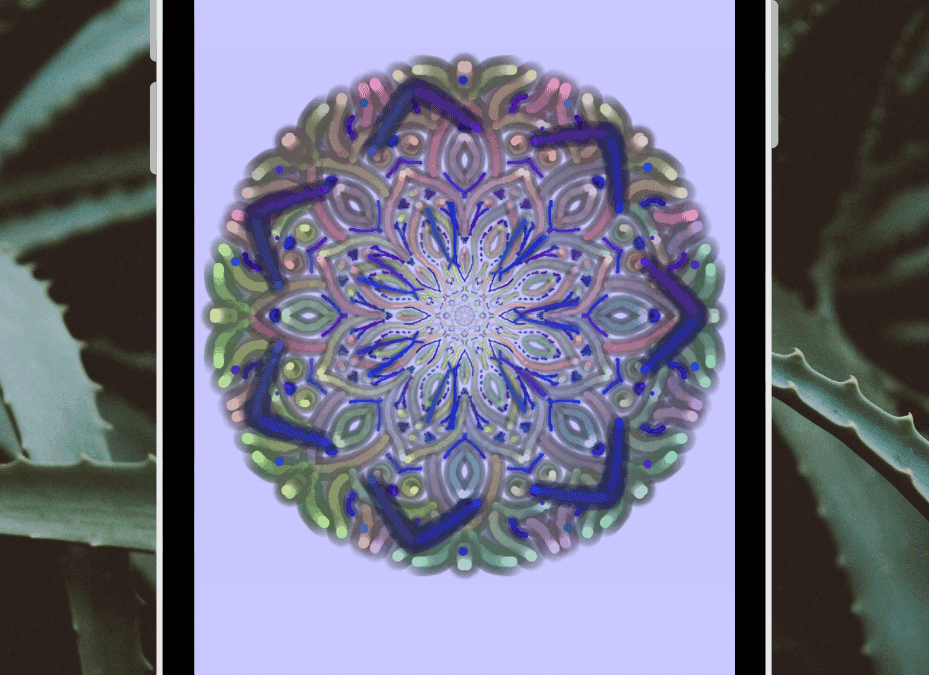
MindClay, the platform for self-guided therapeutic creative-arts-wellness, announced a major new release this week at the Behavioral Health Tech Conference in San Diego. The update adds nine new interactive activities to its existing collection of 28, expanding opportunities for creative engagement across art, music, movement, and writing. The new activities are being introduced at the Behavioral Health Tech Conference, coinciding with MindClay’s Interactive Museum Wellness Lounge, which highlights the artistic roots that inspired the platform’s creation.
The MindClay platform is used as a 24/7 bridge between sessions of in-person and live therapeutic work. Current clients include hospitals, employers, universities and government social programs.
Highlights of the new release include three much-awaited Jon Boogz interactive dance experiences, two groundbreaking AI-assisted Benefit Finding writing activities, a new AI-driven visualization activity, and two therapeutic photography experiences — each designed to make creative self-expression more accessible and impactful.
“This new release builds on MindClay’s mission to use creativity as a pathway to well-being,” said Dr. Marco Pinter, CEO of MindClay. “From movement to writing to AI-assisted visualization, these new experiences reflect how technology can deepen, not replace, human expression and connection.”
With more than thirty activities now available, MindClay continues to expand its evidence-based library of digital creative-arts experiences, helping people explore self-expression and mental wellness anytime, anywhere.
This partnership with Jon Boogz marks a rare convergence of entertainment, culture, and mental wellness. Boogz’s new offerings on MindClay invite users into expressive movement sessions rooted in the language of street dance—an embodied alternative for those who don’t connect with traditional mental health tools like meditation or journaling.
MindClay, currently used worldwide, offers a wide range of evidence-informed experiences spanning interactive drawing, music, creative writing, and movement. Unlike meditation-based apps, MindClay’s multi-sensory activities meet users where they are — engaging the body and imagination as much as the mind.
“Personally, dance has been somatic therapy for me,” says Boogz. “It’s helped me get through anxiety and depressive states. I’m a huge supporter of MindClay—for what they’re doing and what they’re putting out into the world.”
“This partnership expands the vocabulary of healing,” says Marco Pinter, PhD, founder and CEO of MindClay. “We’re dedicated to creating emotionally intelligent, culturally relevant entry points for self-guided support. Street dance is raw, embodied, and expressive — and it belongs in the wellness conversation.”
Dance/movement therapist Maria Luisa Torres, LCPC, who consulted on the new modules, emphasizes the clinical grounding behind the work.
“Movement taps into nonverbal channels of emotion that talk therapy often can’t reach. When someone like Jon invites users into that space, it’s not just art — it’s therapeutic activation.”
Other new activities in MindClay span therapeutic photography, AI-assisted creative writing, and visual art.
To sign up, visit MindClayHealth.com.