
Musicians spend countless hours perfecting their craft, but behind every polished performance is an extraordinary physical and mental demand. Pianists navigate repetitive strain, violinists contend with awkward posture, wind players place unique stresses on their bodies, and nearly every performer faces the pressure of delivering at the highest level.
At the Eastman School of Music, musician wellness has long been viewed through a different lens—not simply as injury treatment, but as an essential part of artistic success. For more than four decades, Eastman and the University of Rochester have been leaders in treating musicians with the same level of care and scientific attention afforded to elite athletes, while also exploring music’s remarkable potential to improve health and well-being.
That work has grown steadily over the years through physical therapy, psychological services, wellness education, and research into the unique needs of performing artists. In 2019, those efforts expanded significantly with the launch of Eastman Performing Arts Medicine (EPAM), a partnership between Eastman and the University of Rochester Medical Center that integrates clinical care, research, education, and community engagement under one umbrella.
Today, EPAM provides specialized care for injured musicians, wellness programming, hearing conservation, research opportunities, and music therapy services throughout the University hospital system. Its mission reflects a simple but powerful idea: healthy musicians make stronger artists, and music itself can be a powerful tool for healing.
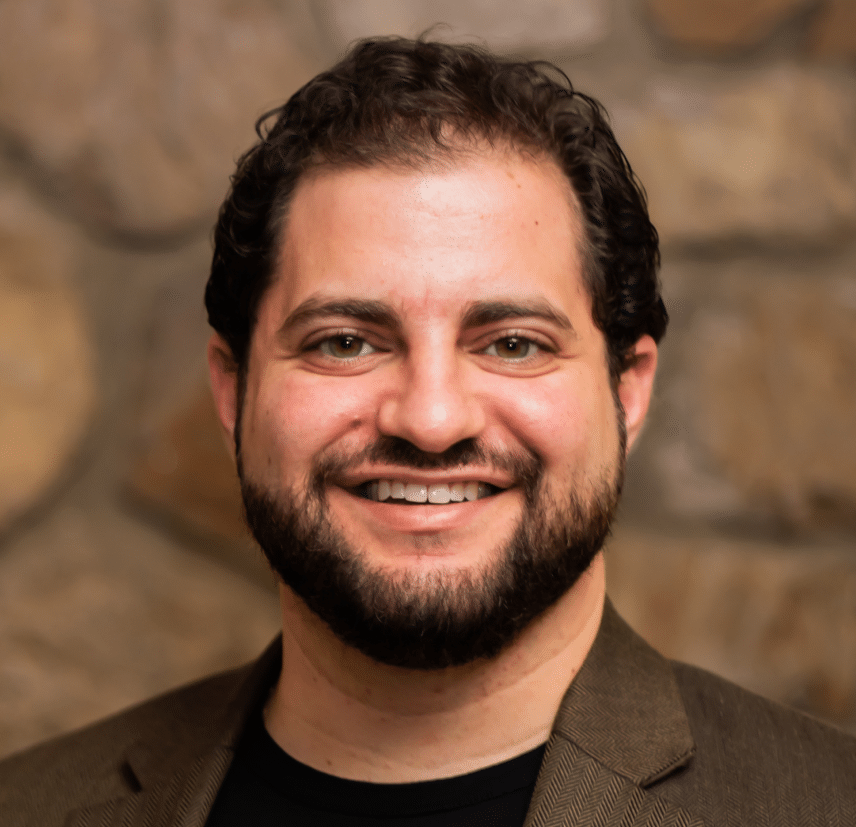
Dr. David M. Greenberg, Evans Lam Professor of Music and Medicine and Director of Research
Now, EPAM is entering a new era. This year, Dr. David M. Greenberg joins the University of Rochester as the inaugural Evans Lam Professor of Music and Medicine and Director of Research for EPAM. A cognitive neuroscientist, psychologist, and accomplished jazz saxophonist, Greenberg brings an uncommon blend of scientific expertise and musical experience. “My cerebral life is mainly as a scientist, but in my heart and soul, I’m a musician,” Greenberg says.
His research explores how music affects the brain and how those discoveries can translate into better treatments for mental health, neurological disorders, and overall well-being. Rather than thinking about music simply in terms of genre or mood, Greenberg studies the acoustic characteristics that shape our cognitive and emotional responses, with the goal of developing increasingly personalized therapeutic applications.
His appointment was made possible through a $1 million gift from University Trustee Evans Lam, establishing an endowed professorship dedicated to advancing music and medicine research. It also reflects Eastman’s unique position within a major research university that combines a world-renowned school with a leading academic medical center.
For EPAM Director Gaelen McCormick, Greenberg’s arrival represents an opportunity to deepen the scientific understanding behind work that is already transforming lives.
Researchers already know, for example, that people living with Parkinson’s disease often walk more smoothly while listening to rhythmic music. Music therapists help patients navigate illness, recovery, and emotional challenges. Hospital performances bring comfort to patients and families. Greenberg’s work aims to answer the next question: Why do these interventions work so well, and how can they become even more effective?
That same spirit of innovation extends to musician health on campus. Building on decades of research, Eastman offers students physical therapy, wellness seminars, Alexander Technique instruction, hearing screenings, ergonomic training, and an adaptive equipment lending library. Students can even access custom-designed ergonomic devices that help reduce strain while performing, ensuring they can continue making music safely throughout their careers.
These resources stem from years of pioneering research by University physicians and therapists who recognized that musicians face distinctive physical challenges. Their studies helped establish evidence-based approaches to injury prevention and performance health that continue to shape musician wellness today.
As Greenberg begins building new collaborations across Eastman, the Medical Center, and the broader University, the possibilities continue to expand. His vision reaches beyond studying musicians alone. He imagines Rochester becoming an international hub for research exploring how music can support brain health, mental health, social connection, and recovery from illness.
For Eastman, that vision feels like a natural evolution of work already decades in the making. Music has always been capable of moving audiences emotionally. Increasingly, science is revealing its ability to change lives physically as well. By bringing together performers, clinicians, educators, and researchers, Eastman is helping define a future where music is recognized not only as an art form, but also as a powerful force for health.
As EPAM continues to grow, its work promises to benefit everyone—from students preparing for careers on stage to patients discovering music’s therapeutic power in hospitals and clinics. Together, those efforts position Rochester at the forefront of a rapidly evolving field, demonstrating that caring for musicians and harnessing music for healing are, ultimately, part of the same inspiring mission.