
As healthcare systems continue to grow in size and complexity, standardization has become essential. Standards improve safety, efficiency, consistency, and long-term stewardship across multiple campuses. Yet one important question remains:
What should be standardized, and what should remain unique?
For more than 40 years, Aesthetics has specialized exclusively in healthcare. Through interior design, art programming, environmental graphics, and donor recognition, we have found that the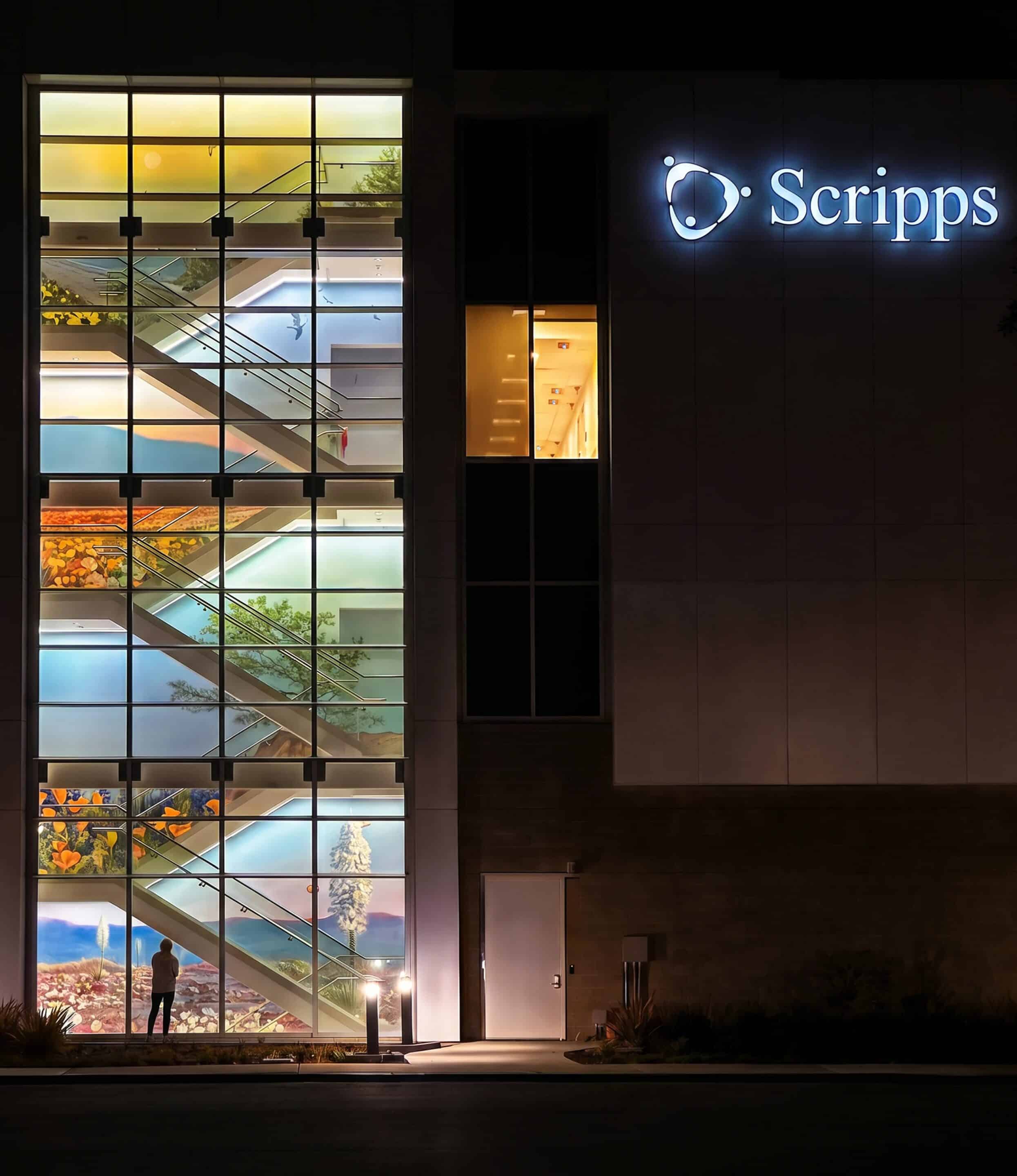 most successful healthcare environments follow one simple principle:
Standardize the process. Customize the purpose.
The systems behind a healthcare art program—planning, procurement, documentation, architectural integration, safety, maintenance, and long-term stewardship—should be standardized. These processes create consistency across an organization while allowing projects to be delivered efficiently and responsibly.
What should never be standardized is the identity of a place.
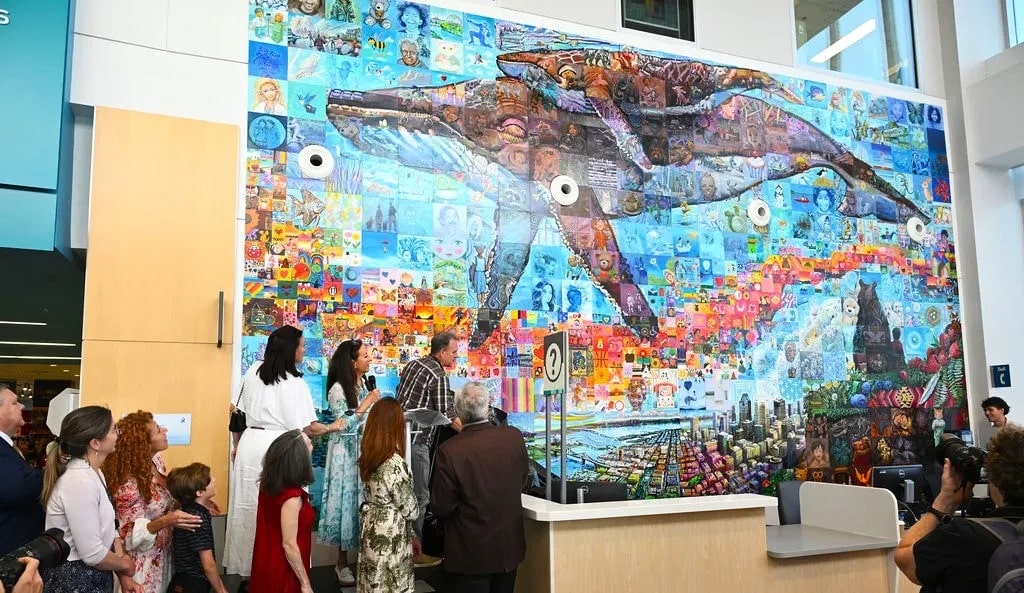
Every hospital serves a unique community with its own history, culture, landscape, and people. The visual environment should reflect that identity rather than replicate a corporate template. At Aesthetics, we call this philosophy The Art of Place—a curatorial approach that draws upon local artists, regional landscapes, cultural traditions, and community stories to create environments that feel authentic and welcoming.
Today, this work is increasingly guided by research. Evidence-based healthcare design and the emerging field of NeuroArts continue to demonstrate that thoughtfully designed visual environments can reduce stress, support emotional wellbeing, improve orientation, and strengthen human connection. Art should no longer be selected simply because it is attractive. It should be selected because it contributes to the experience of care.
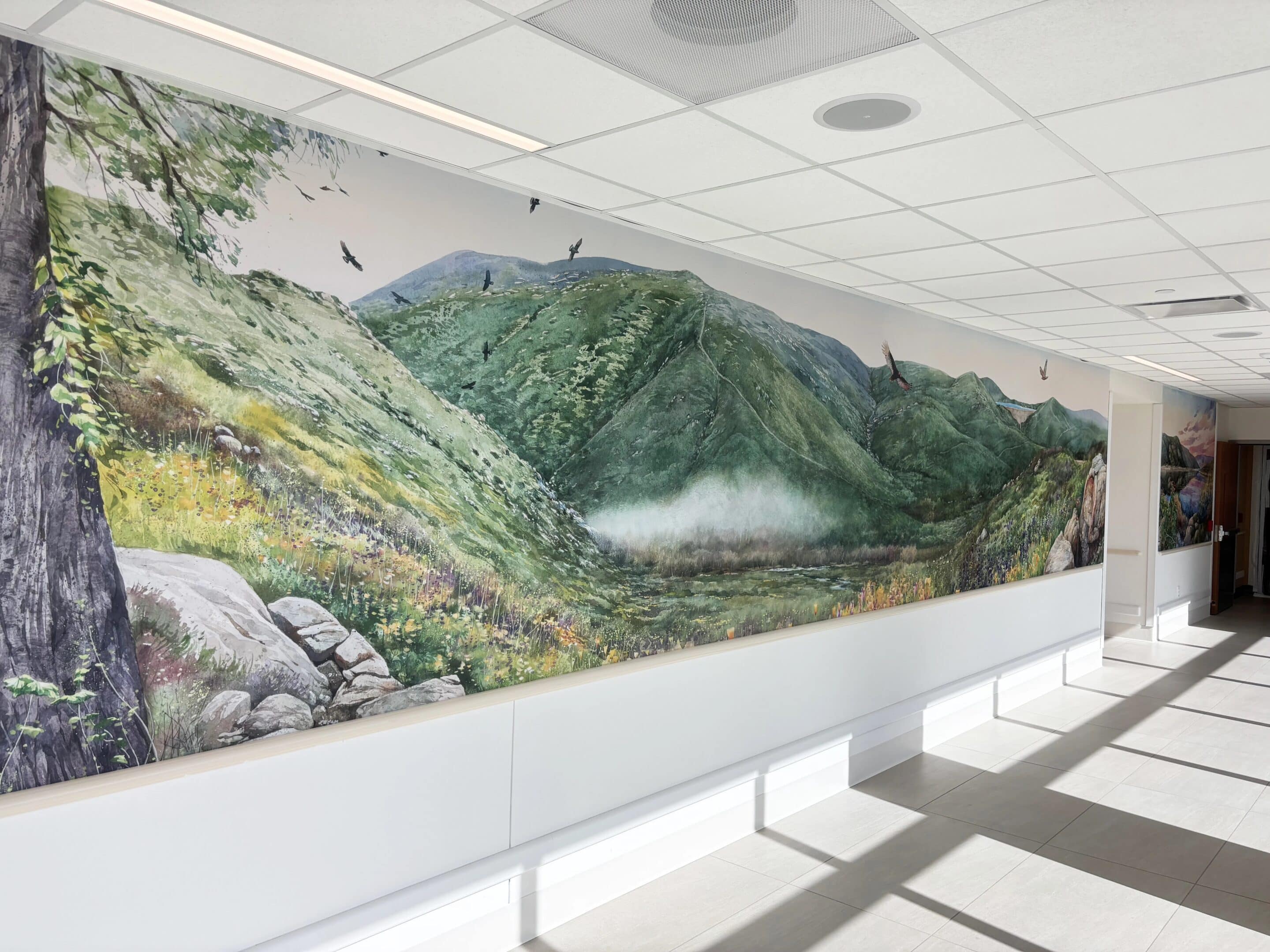 Research tells us how art influences people. The Art of Place helps determine what art belongs in a particular community. Together, they create healthcare environments that are both evidence-informed and deeply rooted in place.
There is, however, another challenge that nearly every healthcare organization faces: funding.Exceptional art programs often exceed available capital budgets. For that reason, Aesthetics partners with hospital foundations to develop philanthropic strategies that allow donors to fund meaningful art programs without competing with construction or operational budgets. This approach transforms artwork from an expense into an opportunity for community engagement and lasting donor impact.
What makes Aesthetics unique is not any one of these services, but how they work together. We combine standardized processes, evidence-based design, NeuroArts research, The Art of Place, fundraising strategy, donor recognition, interior design, and environmental graphics into a single integrated approach. The result is an art program that is operationally sustainable, financially achievable, scientifically informed, and uniquely connected to the community it serves.
When thoughtfully planned, everyone benefits. Patients and families experience environments that reduce stress and foster comfort. Staff work in spaces that reinforce wellbeing and belonging. Donors create lasting legacies. Healthcare organizations strengthen their connection to the communities they serve.
Healthcare environments should be consistent in quality—but never identical in character.
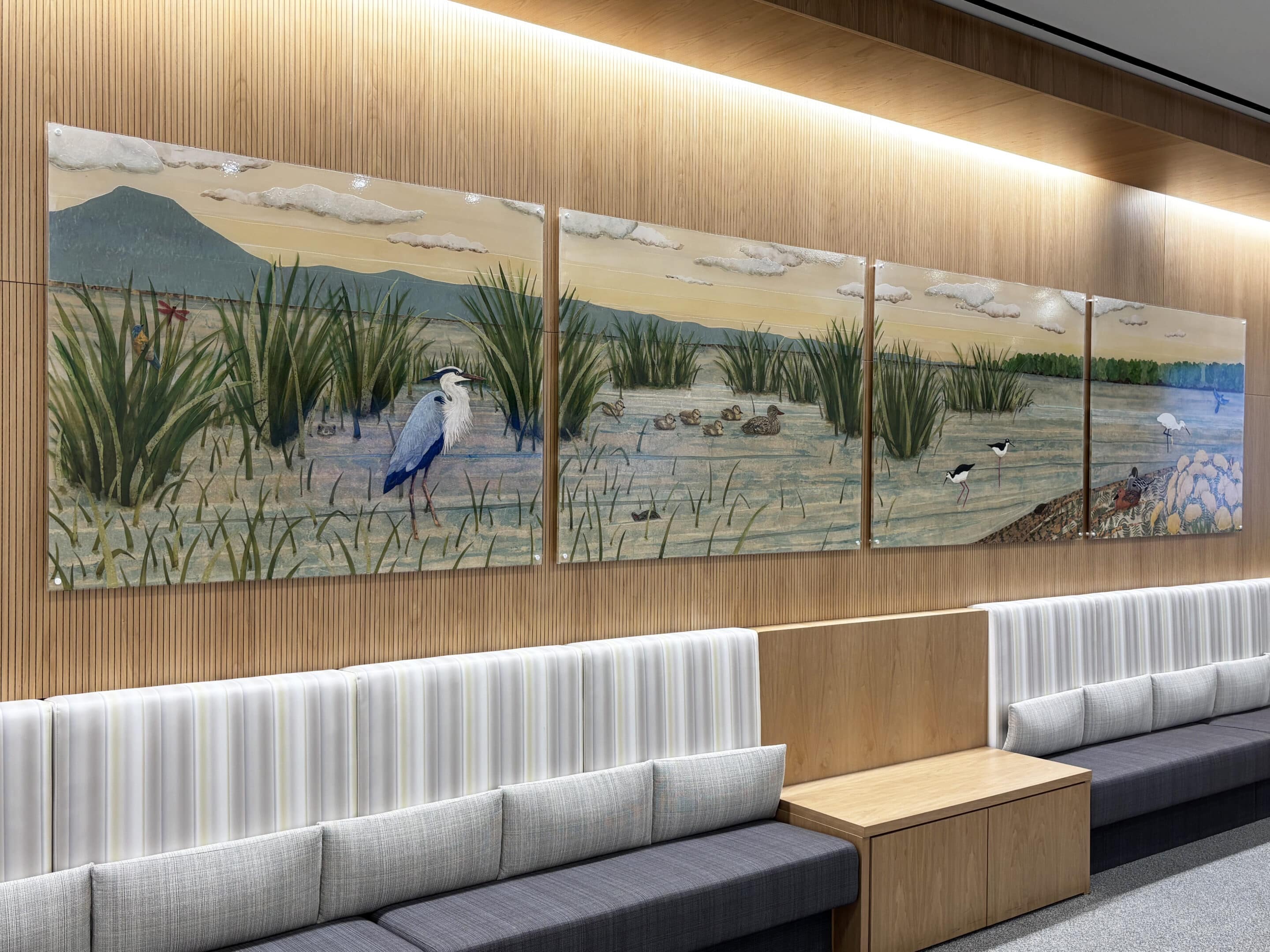
By standardizing the process while customizing the experience, healthcare organizations can create environments that are operationally excellent, evidence-informed, financially sustainable, andprofoundly human. When standards, science, place, and philanthropy work together, healthcare art becomes more than decoration—it becomes part of the healing environment.
For more information reach out to Naj Wikoff at 518-312-5800 or naj@aesthetics.net